Discover the Rich Flavors of Indian Food: A Trip Through Famous Indian Food
Indian cuisine offers a tapestry of practices and tastes. Each dish has its own tale, woven via history and local impacts. From the aromatic biryanis to the abundant curries, every bite provides a new experience. fresh kebabs. Street food captures the essence of neighborhood culture, while vegetarian alternatives display the diversity of components. Under these vivid dishes exists a much deeper significance. What cultural stories and routines are intertwined with these cooking delights?
The Aromatic World of Biryani
Biryani, a flavorful and fragrant rice meal, stands as a hallmark of Indian food. This culinary masterpiece incorporates basmati rice with highly seasoned meat, fish, or veggies, wrapped up in a variety of aromatic spices. Stemming from the Persian word "birinj," suggesting rice, biryani's origins trace back to the Mughal period, where it advanced right into various regional adaptations throughout India.
Each region has its one-of-a-kind take, from the Hyderabadi biryani, recognized for its spicy kick, to the Lucknowi (Awadhi) version, characterized by its subtle tastes. The food preparation approach is often sophisticated, with layers of seasoned active ingredients and rice prepared together, allowing the flavors to combine perfectly. Served with raita or salad, biryani not only thrills the taste yet also symbolizes the abundant cultural tapestry of India. Its enduring popularity is a representation of its adaptability and the ability called for to prepare this beloved recipe.
Appreciating the Spice: Curry Varieties Across India
Curry selections across India display an abundant tapestry of regional distinctions and trademark seasonings. Each region boasts its special tastes, affected by regional components and cooking customs. Understanding these distinctions discloses the complexity and deepness of Indian cuisine, highlighting just how spices transform easy recipes into amazing experiences.
Regional Curry Distinctions
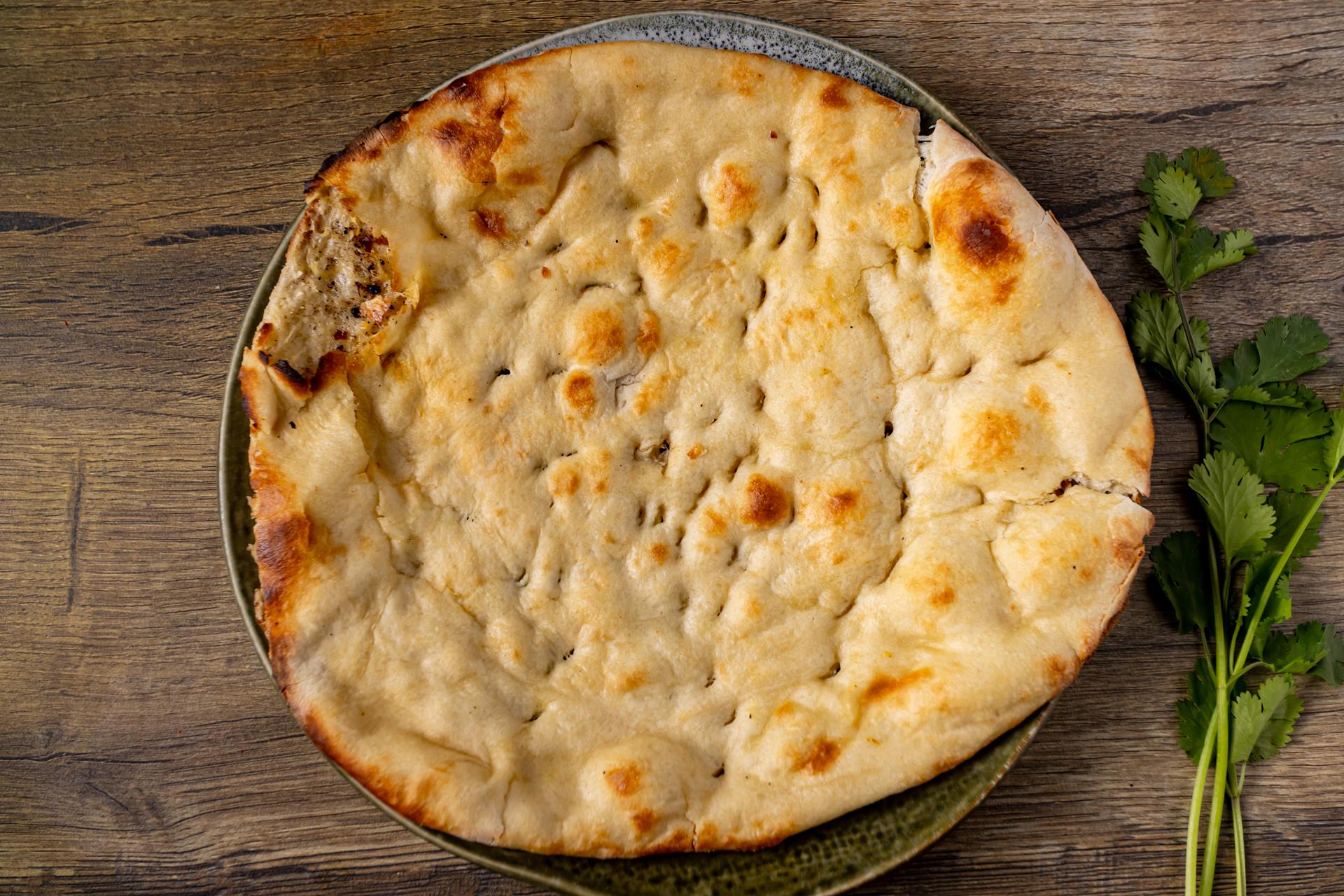
While checking out the huge landscape of Indian food, one swiftly uncovers the amazing diversity of regional curry distinctions that define the nation's culinary heritage. Each area flaunts its special analysis of curry, affected by neighborhood ingredients and customs. In the north, velvety, tomato-based curries like Butter Hen preponderate, while the south offers a vibrant array of coconut-infused recipes, such as Kerala's Fish Curry. The eastern displays mustard oil and poppy seed tastes in Bengali curries, while the west is understood for its spicy and zesty Vindaloo from Goa. Furthermore, the northwest presents rich, slow-cooked meat curries, exhibiting the robust flavors of Punjabi cuisine. This rich tapestry of curry styles shows India's geographical and cultural variety, making each meal an experience in itself.
Signature Spices in Curries
The variety of local curries in India is not only formed by regional ingredients yet likewise by the signature flavors that specify each dish. In the north, garam masala-- a blend of cardamom, cloves, and cinnamon-- offers warmth and depth to rich gravies. On the other hand, southerly curries usually include tamarind and coconut, balancing flavors with tangy sweet taste. In the east, mustard seeds and poppy seeds create an unique taste account, while the west embraces the warm of red chili and the earthiness of cumin. Each area's distinctive spices add to the total personality of curries, mirroring the society and traditions of its individuals. Comprehending these seasonings uses a deeper admiration for the intricate art of Indian cooking.
Street Food Sensations: A Taste of Regional Pleasures
What makes Indian street food a culinary journey unlike any kind of other? It depends on the vivid tastes, varied ingredients, and local specializeds that come with each other to create a remarkable experience. From the bustling streets of Mumbai to the vivid markets of Delhi, road food suppliers offer a range of tantalizing bites that reflect neighborhood culture and traditions.
Popular meals such as pani puri, a crispy hollow advice covering loaded with spiced water, and vada pav, a spicy potato fritter sandwich, showcase the blend of preferences that Indian cuisine is renowned for. The searing sounds of food being prepared and the luring scents floating through the air attract enthusiastic food enthusiasts. Each bite tells a tale, attaching people to the abundant tapestry of Indian heritage. Road food offers not just as a meal however as an event of area, making it an essential component of India's cooking landscape.
Vegetarian Wonders: Celebrating Plant-Based Recipes
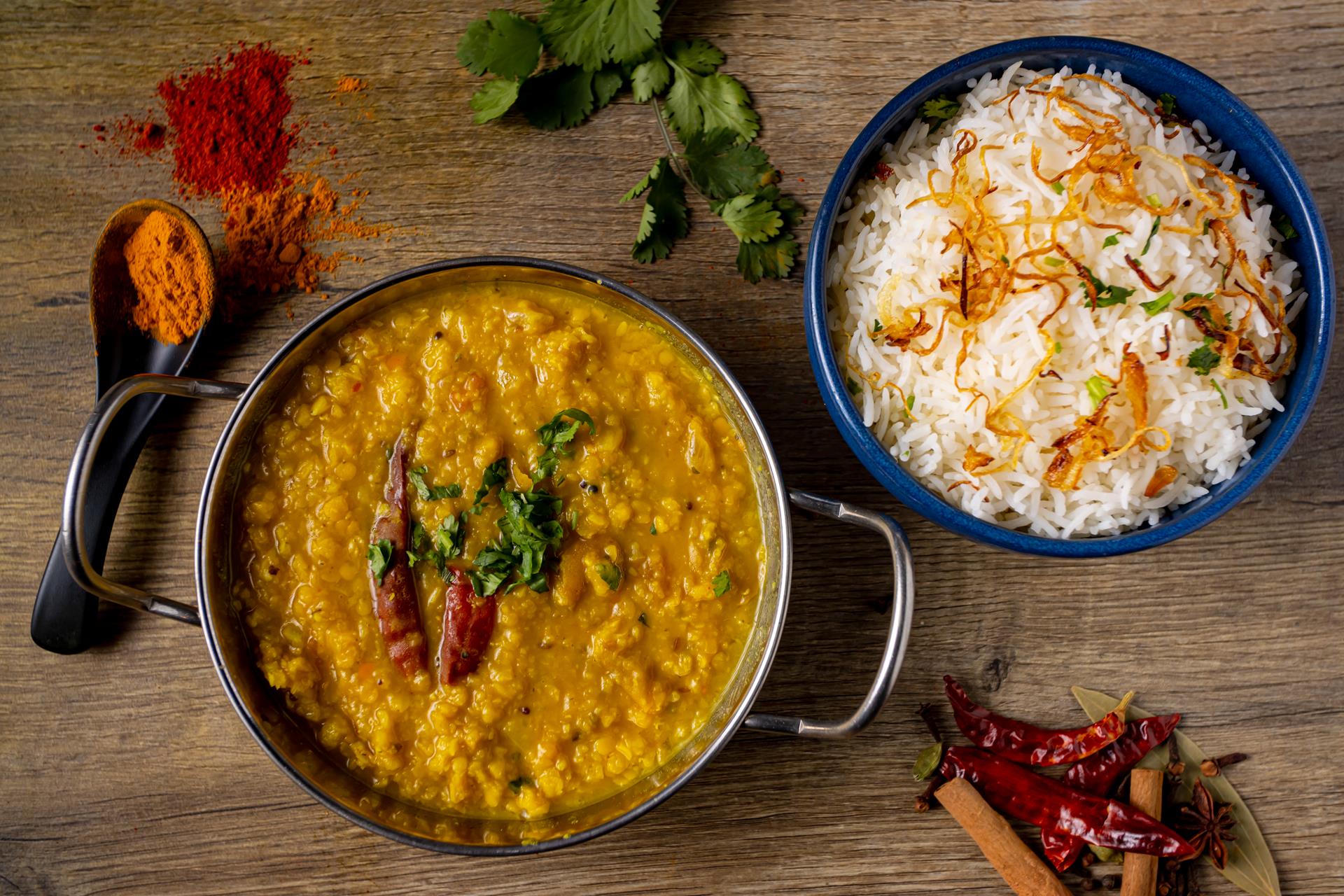
Indian food is commemorated for its abundant variety, and vegan recipes play a famous duty in this savory tapestry. With an extensive cultural heritage, India offers a myriad of plant-based alternatives that satisfy various tastes and preferences. Meals like paneer tikka, made from fresh cheese seasoned in seasonings, exemplify the deepness of tastes achievable without meat. Lentils, or dal, are staples across the country, providing hearty nourishment together with seasonings that improve their taste.
Vegetarian curries, such as chana masala and aloo gobi, showcase the indian restaurant near me convenience of veggies, changing them right into sumptuous dishes. Additionally, local specialties like dosas and idlis highlight the value of grains and beans in Indian diet plans. These offerings not just commemorate the vegetarian custom however also highlight sustainability and health. Ultimately, Indian vegetarian cuisine welcomes every person to enjoy its abundant tastes while recognizing the plant-based bounty of the land.
Wonderful Endings: Standard Indian Desserts
Delightful and differed, standard Indian desserts provide a wonderful verdict to any type of meal, showcasing an unique mix of flavors and structures. Famous treats such as gulab jamun, tiny fried dough balls soaked in rose-flavored syrup, characterize indulgence. Jalebi, a spiral-shaped wonderful saturated in syrup, offers a crispy yet syrupy experience. An additional precious dessert, rasgulla, includes soft cheese balls immersed in a light syrup, embodying simplicity and sweet taste.
Rich and creamy, kheer, a rice dessert flavored with cardamom and garnished with nuts, highlights the use of dairy in Indian sugary foods. The diverse areas of India add their specialties, like the nutty flavors discovered in burfi and the zesty allure of aam ras, showcasing the cooking heritage. Each dessert reflects a tapestry of practices, making them a vital part of Indian cuisine and a pleasure for the taste buds.
The Cultural Relevance of Indian Food Traditions
Indian food practices play a main role in the nation's festivals and rituals, symbolizing neighborhood and party. Each region adds its special flavors and strategies, mirroring the varied cultural landscape of India. This cooking variety not just nurtures the body but also cultivates a feeling of belonging and identification among its individuals.
Events and Food Rituals
Events in India work as lively events that intertwine food and society, showcasing the rich tapestry of practices that specify the subcontinent. Each festival, whether Diwali, Eid, or Pongal, yields an unique variety of dishes that bring deep cultural value. Food routines during these occasions typically involve elaborate prep work and common feasting, signifying unity and gratitude. As an example, during Navratri, enthusiasts prepare specific vegan recipes to recognize the goddess Durga, while the sharing of desserts during Eid mirrors delight and community spirit. These culinary techniques not just celebrate the event yet additionally transfer worths, stories, and heritage throughout generations. Events serve as a crucial web link between food and the social identity of the varied Indian population.
Regional Culinary Variety
Frequently Asked Inquiries
What Are the Wellness Conveniences of Indian Spices?
Indian seasonings use many health and wellness advantages, including anti-inflammatory properties, improved food digestion, and enhanced metabolic rate. Turmeric, ginger, and cumin are remarkable examples that add to total health and might assist in handling chronic illness successfully.
Just How Can I Recreate Indian Dishes in the house?
To recreate Indian dishes in the house, one can gather authentic seasonings, adhere to traditional recipes, and make use of cooking strategies like slow simmering (JAIPORE Xpress). Try out flavors and ingredients enhances the total cooking experience while making certain credibility
What Prevail Irritants in Indian Cuisine?
Common irritants in Indian cuisine consist of gluten from wheat, dairy products from ghee and yogurt, nuts like cashews and almonds, and particular beans such as lentils. Awareness of these active ingredients is crucial for those with allergic reactions.
Exactly How Does Indian Food Vary by Region?
Indian food differs considerably by region, affected by neighborhood components, climate, and cultural traditions. North dishes commonly include milk and bread, while southerly food highlights rice and seafood, showcasing the nation's diverse cooking landscape.
Exist Vegan Options in Standard Indian Food?
Yes, traditional Indian food uses numerous vegan choices. Staples like lentils, chickpeas, veggies, and rice are common, while dishes such as chana masala, aloo gobi, and various curries accommodate those seeking plant-based dishes.
Biryani, a aromatic and tasty rice meal, stands as a characteristic of Indian cuisine. While exploring the vast landscape of Indian cuisine, one quickly discovers the impressive variety of local curry differences that define the country's culinary heritage. Popular recipes such as pani puri, a crispy hollow shell loaded with spiced water, and vada pav, a spicy potato fritter sandwich, display the blend of tastes that Indian cuisine is renowned for. Indian food is celebrated for its rich variety, and vegan meals play a noticeable function in this savory tapestry (takeout and delivery). To recreate Indian meals at home, one can collect authentic flavors, comply with conventional dishes, and utilize cooking methods like sluggish simmering